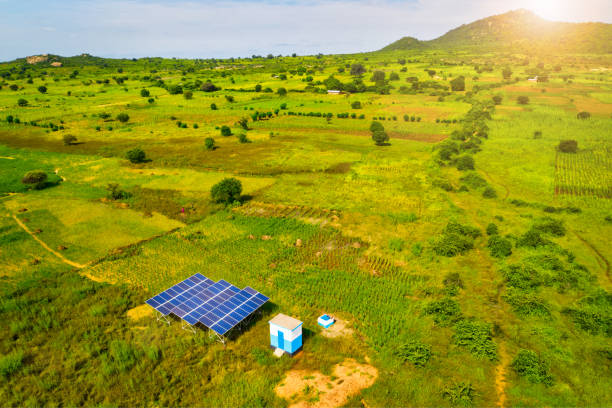
Solving Power & Mobility for Tanzania
Aussi Energy Solutions (AES) integrates the shift to electric mobility with new energy infrastructure like battery-swapping, solar-plus-storage and microgrids, to build a resilient, self-sufficient ecosystem across Africa.
A decade of tracking the energy and mobility revolutions, locally and across China, positioned us to bridge Tanzania's potential with the world's best technology partners.
Two challenges. One integrated solution.
Tanzania leads East Africa in electric mobility, yet that progress runs against one of Africa's most persistent challenges: energy security and power shortages. The solution cannot be mobility alone.
AES proposes a strategy that builds energy infrastructure as it deploys EV infrastructure The two are symbiotic. We are not merely consultants; we are facilitators and mobilizers, bridging Tanzania's potential, its public stakeholders and the advanced capabilities of our international partners.

Facilitate & Align
We act as the central facilitator, aligning government bodies (TANESCO, Ministry of Energy), local operators and international technology partners.
Mobilize Resources
We leverage our network to mobilize local partners, navigate the regulatory landscape and de-risk investments for international stakeholders.
Implement & Execute
We manage phased deployment from pilots to a scalable national network, ensuring technology transfer and local capacity building.
A market primed for disruption
71M
Population
Rapidly urbanizing (Vision 2050)
86,472 km
National road network
The artery of the economy
1.28M
Two & three-wheelers
Bodaboda & bajaji fleet
5,000+
EVs on the road
East Africa's largest fleet (2025)
3,081 GWh
Installed grid capacity
45-61% renewable mix
40.5%
EV market CAGR
2025-2030 projected growth
Mobility and energy, in lockstep
The Mobility Challenge
Transport carries over 90% of passengers and 75% of freight, almost entirely on imported fossil fuels, straining national finances. But the dominant fleet is commercial, not luxury: operators are hyper-sensitive to running costs, making the economic case for electrification overwhelming.
TZS 3,210
per litre of petrol
TZS 230
per kWh of electricity
The Energy Challenge
The grid grew 13.4% to 3,081 GWh in Q2 2025, with a 45-61% renewable mix targeting 75% by 2030. Yet connectivity sits below 50%, and reliability is fragile. Simply plugging thousands of EVs into this grid would deepen the very shortage it must solve, so every charging strategy must be an energy solution first.
<50%
mainland connectivity
75%
renewable target by 2030
Demand is already here
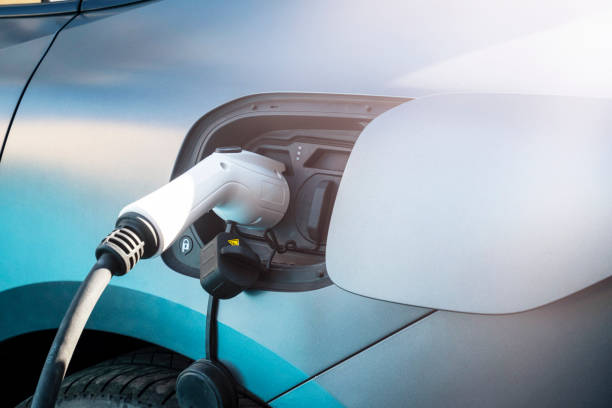
Growth is driven bottom-up by commercial operators who see clear economic benefits. For a bodaboda driver, switching from petrol to electricity translates directly into higher take-home pay and real economic empowerment.
$0.04B
2025 market
$0.22B
2030 projection
40.5%
CAGR
Smart infrastructure, global collaboration
Battery-Swapping Infrastructure
Standardized battery-swapping networks for electric motorcycles, delivery fleets and small EVs, cutting downtime for high-utilization commercial riders.
- Delivery services
- Ride-hailing motorcycles
- Logistics operators
- Urban transport systems
Microgrids & Energy Storage
Distributed microgrids and storage that power EV infrastructure and local communities, reliable even where the grid is unstable.
- Solar energy generation
- Battery storage systems
- Smart energy management
- Grid & off-grid hybrids
EV Ecosystem Development
Building the full electric-mobility ecosystem through strategic partnerships and cross-border trade, connecting African markets to global EV supply chains.
- EV imports & technology transfer
- Links to global manufacturers
- Pilot projects for electric fleets
- Logistics & ride-hailing partnerships
Energy Transition Partnerships
Collaborating with governments, investors and private partners on transition initiatives that cut emissions while improving energy access.
- Clean transportation adoption
- Public-private infrastructure
- Renewable energy integration
- Sustainable urban mobility
Build the energy as we deploy the mobility
Tailored E-Mobility Infrastructure
Serve the dominant 2/3-wheeler market with targeted, high-speed solutions, with no slow, sprawling network required.
- Battery-swapping stations in Dar es Salaam, Dodoma & Arusha, with swaps in under 5 minutes, faster than refuelling.
- Depot charging for public transport (DART) and commercial fleets, overnight or at fuel stations.
- Urban & mid-range stations: Kariakoo Market, apartment complexes, and travel stops like Chalinze and Mombo.
Solving the Power Shortage
Power the network and strengthen national energy security by deploying advanced energy solutions at the charging hubs themselves.
- Solar-plus-storage hubs: every station pairs rooftop solar with Battery Energy Storage (BESS) to ease grid strain.
- Independent microgrids for areas with unreliable grid access, powering hubs and surrounding communities.
- Resilient ancillary power becomes an additional revenue stream while directly solving the power shortage.
Mobilizing a coalition of the willing
Local & Public Stakeholders
Working hand-in-glove with the World Bank, AfDB, TANESCO and the Ministry of Transport to align with national development goals.
Strategic Chinese Tech Partners
Leveraging established networks in China, e.g. Gresgying Digital Technology, a global leader in EV charging and energy management.
AES: The Central Facilitator
We connect technology to local needs, establish partnerships and de-risk market entry for international stakeholders.
Why a partner like Gresgying
105,000+
terminals operating globally
720 kW
high-power fast chargers
Shell · State Grid
deep ESS & microgrid expertise
This model is not theoretical
Rwanda
Battery Swapping
Ampersand's success in Kigali proves the battery-as-a-service model for motorcycle taxis is commercially viable and rapidly scalable.
China
Policy & Scale
Integrated policy plus massive investment in both charging and grid technology built the world's largest EV market.
Morocco
Fast-Charging Corridor
Morocco's highway corridor is the model for Phase 2, connecting major cities and tourism routes with hybrid-powered stations.
What we are prepared to lead
Policy Facilitation & Alignment
Engage policymakers to help finalize the National EV Policy: standards, tariffs and incentives that attract investment in an integrated energy/mobility model.
Investment Mobilization
Act as the prime mover, developing financial models for PPPs and joint ventures, bridging local capital with international investors and de-risking projects.
Local Ecosystem & Capacity Building
Mobilize local partners for site management, installation and maintenance, training with VETA, DIT, NIT and Arusha Technical College.
Phased Technology Deployment
Manage a feedback-driven rollout from high-density pilots to a scalable national network, ensuring technology transfer at every step.
Phase 1: Pilot
Battery-swapping and microgrid hubs in high-density zones of Dar es Salaam.
Phase 2: Scale
Roll out proven models to Dodoma, Arusha and Mwanza, plus fast-charging corridors on key transport routes, powered by hybrid energy systems.
“To become a leading EV infrastructure and distributed energy solutions platform in Africa, enabling cities, businesses and communities to transition toward clean, efficient and reliable energy systems.”
Power the Transition With Us
Talk to us about EV infrastructure, microgrids and energy transition partnerships across Africa.
Start a Conversation